OUR APPROACH
OUR APPROACH
An Auteurâs Freedom
An Auteurâs Freedom
An Auteurâs Freedom
By David Defendi
By David Defendi
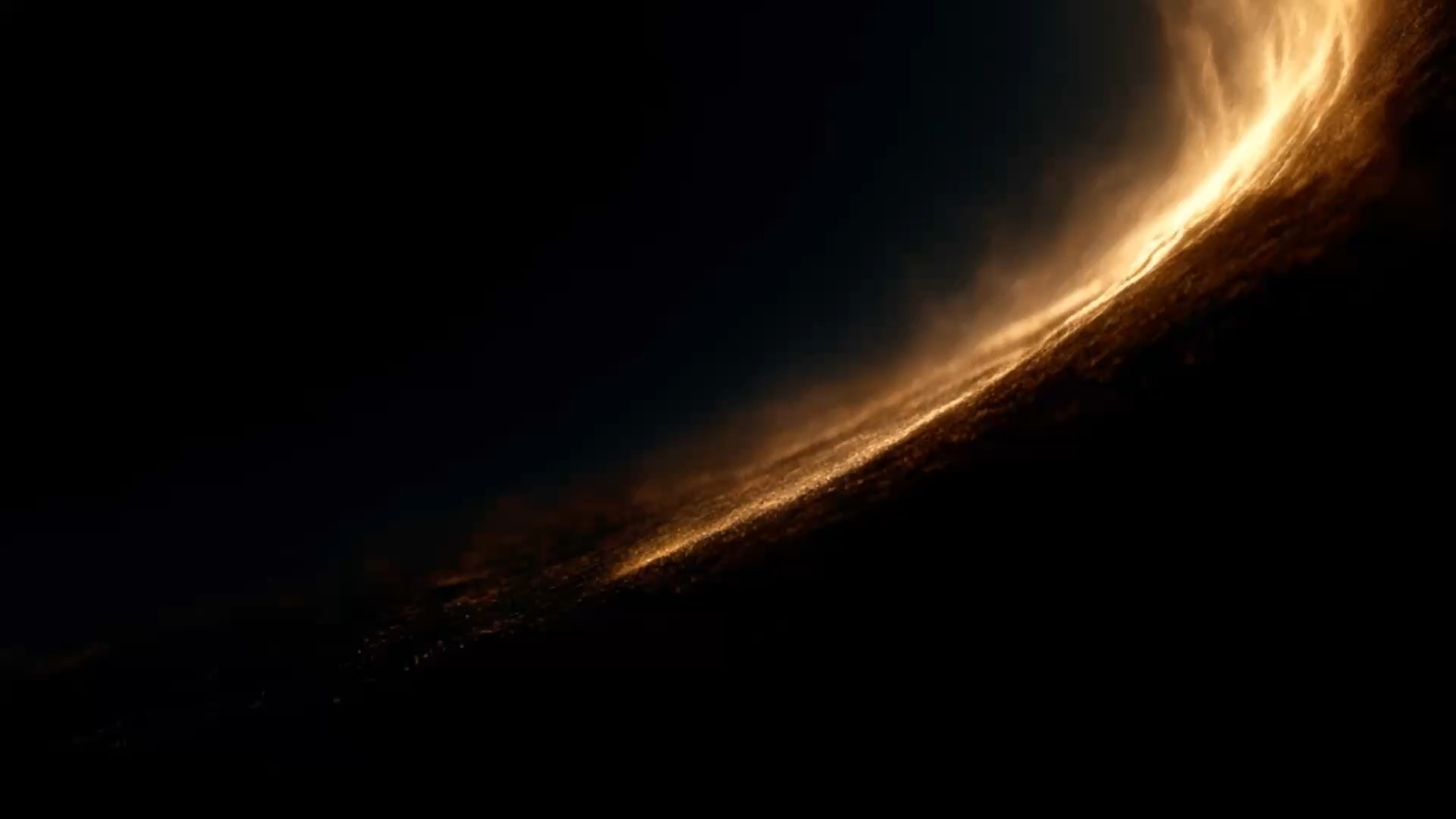
Carthage has vanished. Through Flaubert, it took shape in my imagination: a world of light, violence and desire. With Salammbô, I want to bring to life this world that has been with me for so long: faces, bodies, places we can enter.
Carthage has vanished. Through Flaubert, it took shape in my imagination: a world of light, violence and desire. With Salammbô, I want to bring to life this world that has been with me for so long: faces, bodies, places we can enter.
Carthage has vanished. Through Flaubert, it took shape in my imagination: a world of light, violence and desire. With Salammbô, I want to bring to life this world that has been with me for so long: faces, bodies, places we can enter.
Artificial intelligence is part of this exploration. It allows me to try out images, sometimes to welcome an unexpected vision, then to choose, rework and discard. This work calls on the same sensibility I bring to writing and the camera. Every image must earn its place in the film.
Artificial intelligence is part of this exploration. It allows me to try out images, sometimes to welcome an unexpected vision, then to choose, rework and discard. This work calls on the same sensibility I bring to writing and the camera. Every image must earn its place in the film.
Artificial intelligence is part of this exploration. It allows me to try out images, sometimes to welcome an unexpected vision, then to choose, rework and discard. This work calls on the same sensibility I bring to writing and the camera. Every image must earn its place in the film.
01 / THE MEANS TO REALISE A VISION
01 / THE MEANS TO REALISE A VISION
Today, I believe these tools have much to offer authors and independent production companies. They can help us build a world, search for an image, patiently refine its details, and bring certain projects to a scale that was previously difficult to reach. For an author, this can mean fewer compromises between the film they imagine and the one they can make.
Today, I believe these tools have much to offer authors and independent production companies. They can help us build a world, search for an image, patiently refine its details, and bring certain projects to a scale that was previously difficult to reach. For an author, this can mean fewer compromises between the film they imagine and the one they can make.
Today, I believe these tools have much to offer authors and independent production companies. They can help us build a world, search for an image, patiently refine its details, and bring certain projects to a scale that was previously difficult to reach. For an author, this can mean fewer compromises between the film they imagine and the one they can make.
That freedom calls for an artistic eye. An image can be spectacular and convey nothing of what we meant to say. We have to choose, discard, rework, and know what we are looking for. This is where a work finds its distinctive character. What interests me in artificial intelligence is the room it can leave for that individuality when an author truly makes it their own.
That freedom calls for an artistic eye. An image can be spectacular and convey nothing of what we meant to say. We have to choose, discard, rework, and know what we are looking for. This is where a work finds its distinctive character. What interests me in artificial intelligence is the room it can leave for that individuality when an author truly makes it their own.
That freedom calls for an artistic eye. An image can be spectacular and convey nothing of what we meant to say. We have to choose, discard, rework, and know what we are looking for. This is where a work finds its distinctive character. What interests me in artificial intelligence is the room it can leave for that individuality when an author truly makes it their own.

02 / SAN FRANCISCO
02 / SAN FRANCISCO
In the late 1990s, I was living in San Francisco, close to the cyberpunk scene. Among hackers, I discovered a remarkably free way of approaching technology: understanding how it works, adapting it, finding uses for it that no one had anticipated. That culture shaped my imagination as a writer. It also gave me a taste for making tools my own and discovering what I could do with them.
In the late 1990s, I was living in San Francisco, close to the cyberpunk scene. Among hackers, I discovered a remarkably free way of approaching technology: understanding how it works, adapting it, finding uses for it that no one had anticipated. That culture shaped my imagination as a writer. It also gave me a taste for making tools my own and discovering what I could do with them.
In the late 1990s, I was living in San Francisco, close to the cyberpunk scene. Among hackers, I discovered a remarkably free way of approaching technology: understanding how it works, adapting it, finding uses for it that no one had anticipated. That culture shaped my imagination as a writer. It also gave me a taste for making tools my own and discovering what I could do with them.
03 / THE THIRTY-SEVENTH MOVE
03 / THE THIRTY-SEVENTH MOVE
In 2016, a move in a game of Go took that curiosity in a new direction. Playing against Lee Sedol, DeepMindâs AlphaGo made its thirty-seventh move. It was so unexpected that some commentators initially mistook it for an error, before grasping its power. I saw a possibility that spoke directly to me as an author: a machine could surprise us and lead us towards ideas that our habits kept us from imagining.
In 2016, a move in a game of Go took that curiosity in a new direction. Playing against Lee Sedol, DeepMindâs AlphaGo made its thirty-seventh move. It was so unexpected that some commentators initially mistook it for an error, before grasping its power. I saw a possibility that spoke directly to me as an author: a machine could surprise us and lead us towards ideas that our habits kept us from imagining.
In 2016, a move in a game of Go took that curiosity in a new direction. Playing against Lee Sedol, DeepMindâs AlphaGo made its thirty-seventh move. It was so unexpected that some commentators initially mistook it for an error, before grasping its power. I saw a possibility that spoke directly to me as an author: a machine could surprise us and lead us towards ideas that our habits kept us from imagining.
In 2017, I began exploring the relationship between artificial intelligence and creativity. I later founded Genario to put that research into practice. Since then, this exploration has been part of my work in writing and film.
In 2017, I began exploring the relationship between artificial intelligence and creativity. I later founded Genario to put that research into practice. Since then, this exploration has been part of my work in writing and film.
In 2017, I began exploring the relationship between artificial intelligence and creativity. I later founded Genario to put that research into practice. Since then, this exploration has been part of my work in writing and film.
04 / MONELLI
04 / MONELLI
Monelli continues that journey. With Salammbô, I want to bring to the screen the Carthage that Flaubert led me to imagine. Writing, the camera and artificial intelligence are all part of the same search: finding the means to stay true to a vision.
Monelli continues that journey. With Salammbô, I want to bring to the screen the Carthage that Flaubert led me to imagine. Writing, the camera and artificial intelligence are all part of the same search: finding the means to stay true to a vision.
Monelli continues that journey. With Salammbô, I want to bring to the screen the Carthage that Flaubert led me to imagine. Writing, the camera and artificial intelligence are all part of the same search: finding the means to stay true to a vision.
DAVID DEFENDI
DAVID DEFENDI
DAVID DEFENDI
EXPLORE SALAMMBÃ â
EXPLORE SALAMMBÃ â